Preventing falls from height in the workplace with Sabentis

Why falls from height are so dangerous
Falls from height are one of the main causes of fatal accidents at work. According to the Ministry of Labour’s Workplace Accident Statistics, in 2022, one in nine fatal workplace accidents in Spain was due to this type of incident, with 73 fatalities recorded. This figure highlights the need to adopt proactive and effective measures to mitigate this risk (Source: Ludus Global, 26 January 2023). This is why height safety is a top priority.
In addition to the human impact, fall from height accidents represent a high economic cost for companies. Compensation, medical expenses and reduced productivity affect both workers and organisational performance. Preventing risks at height is not only a legal and moral obligation, but also a strategy to improve operational efficiency. Technical guidance is published by INSST. This includes the real cost of a workplace accident.
Sabentis: preventing falls from height in the workplace
Sabentis offers a comprehensive solution to prevent falls from height, helping companies identify risks, plan safe work and keep protective measures under control across every site. It is part of the wider occupational risk prevention software.
- Specific modules to identify and mitigate risks.
- Real-time data analysis, facilitating rapid decision-making based on accurate information.
- Continuous training to create a strong preventive culture.
With Sabentis, companies not only comply with regulations, but also ensure safer and more productive working environments. Find out how this solution can transform your risk management on our official website. Read more on the Sabentis blog.
Risk prevention is not optional. With Sabentis, you can protect your workers and optimise your operations. Act now to move towards a safer and more efficient working environment.
Key measures to prevent falls from height
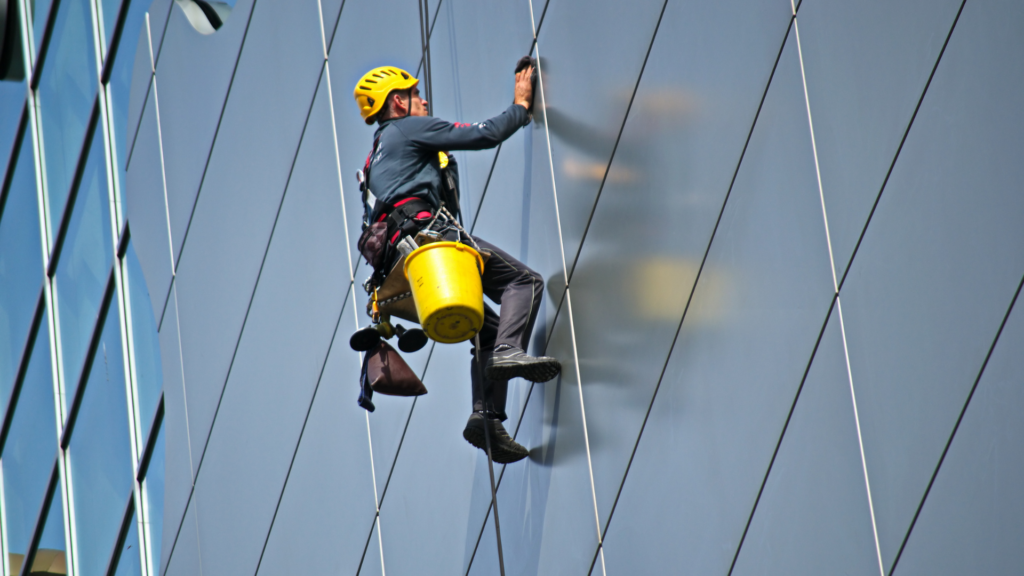
Preventing falls from height requires combining collective and individual protection measures. Guardrails, safety nets and secure access points reduce exposure, while harnesses, lifelines and proper anchor points protect workers when collective measures are not enough. Training, regular equipment inspection and careful planning of work at height complete a prevention strategy that, when managed digitally, lets companies schedule checks, document compliance and react quickly to any unsafe condition. These are detailed in our guide to safe working at heights.